How Do Stainless Steel Water Bottles Compare to Others?

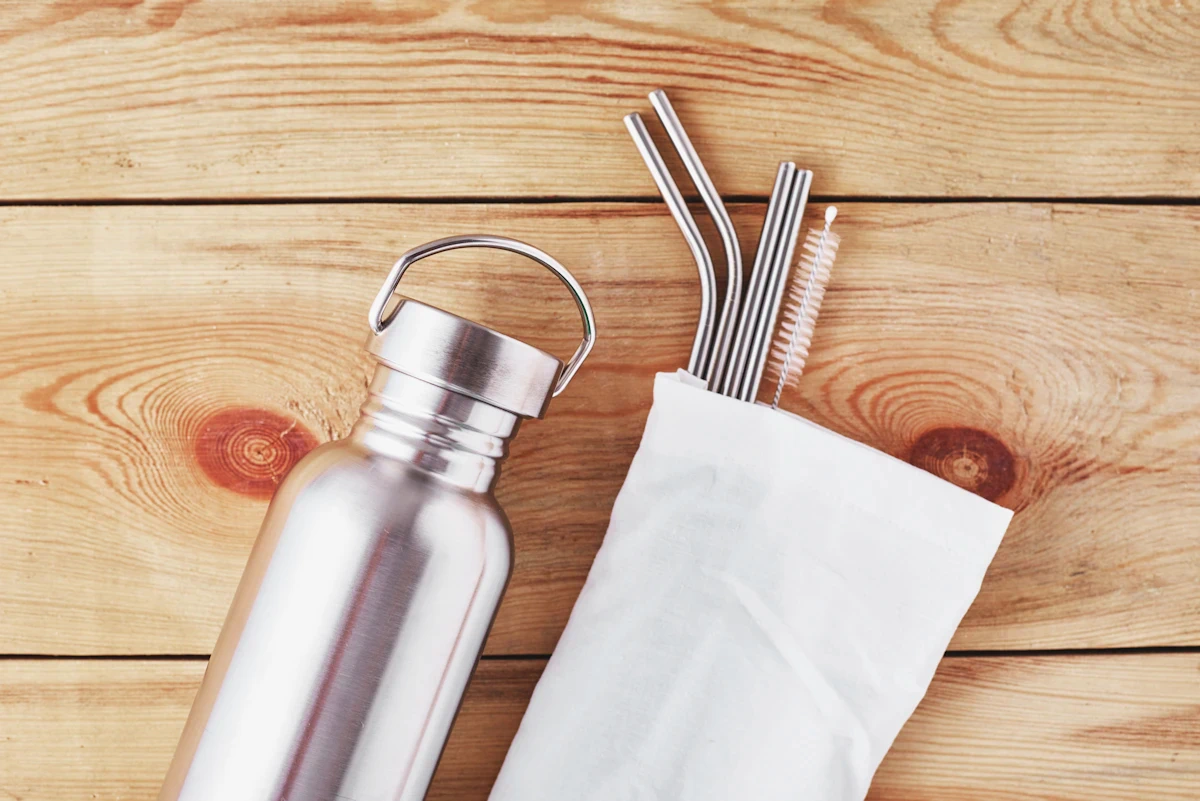
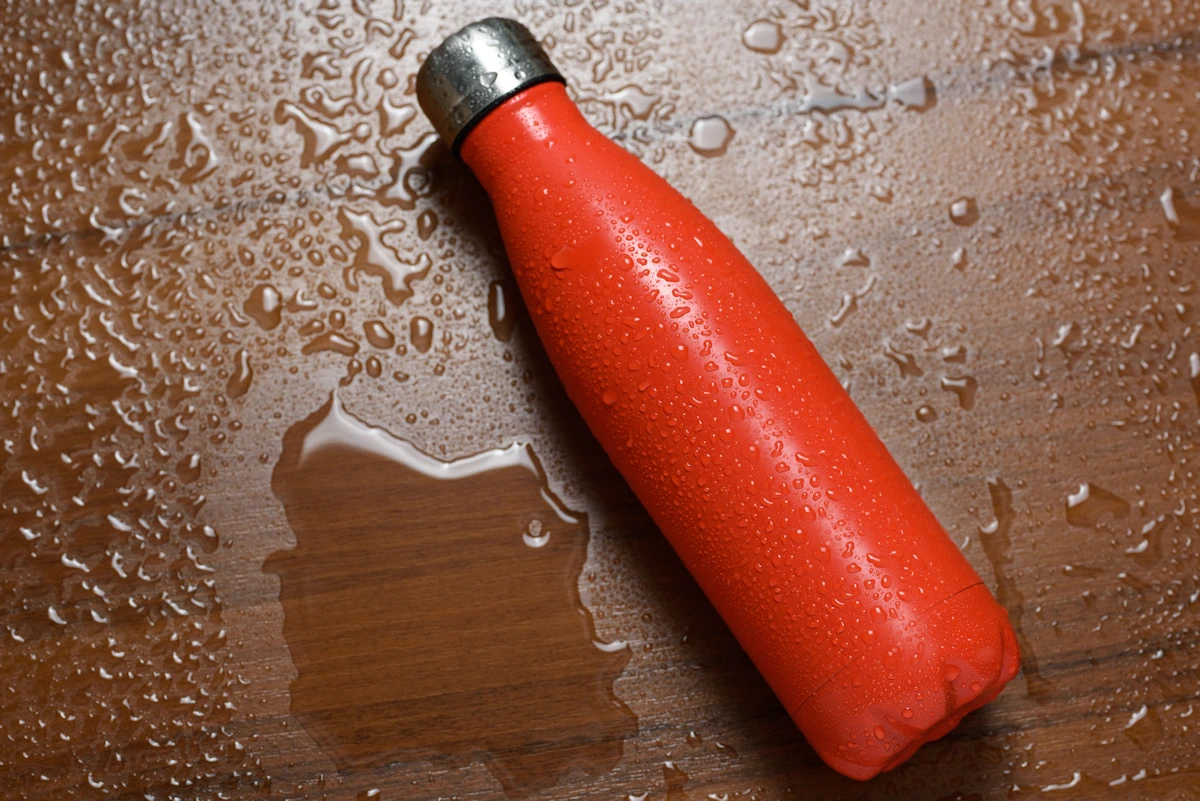
When you decide to ditch single-use plastic water bottles, a whole new world of reusable options opens up. While we are big fans of stainless steel for its longevity and health benefits, it’s helpful to see how it stacks up against the other major contenders: glass, aluminum, and high-quality reusable plastic.
Choosing the right bottle depends on your lifestyle—whether you’re hitting the gym, heading to the office, or packing for a weekend hike. Here is a breakdown of how stainless steel compares to the alternatives.
1. Stainless Steel vs. Glass
Glass is often cited as the gold standard for purity of taste. Because it is non-porous, it won’t hold onto the flavor of yesterday’s lemon water or morning iced coffee.
- The Edge for Glass: It offers the cleanest flavor profile and is naturally BPA-free. You can also see exactly how much water you have left and if the bottle needs a deeper cleaning.
- The Edge for Stainless Steel: Durability and weight. Glass is fragile and heavy. Even with a silicone sleeve, a drop on the pavement can be the end. Stainless steel is much more rugged, making it the better choice for travel and outdoor activities. Plus, stainless steel provides vacuum insulation to keep drinks cold, which most glass bottles lack.
2. Stainless Steel vs. Aluminum
At first glance, aluminum and stainless steel look similar, but they perform very differently. Aluminum is much lighter and typically more budget-friendly.
- The Edge for Aluminum: It is incredibly lightweight, which is a plus for long-distance backpackers.
- The Edge for Stainless Steel: Health and Insulation. Aluminum is reactive to acidic liquids (like juice or coffee), so aluminum bottles must have an internal liner—often made of plastic or epoxy resin—to prevent leaching. If that liner gets scratched, the bottle’s safety is compromised. Stainless steel is non-reactive and doesn’t need a liner. It also holds its temperature much longer than thin-walled aluminum.
3. Stainless Steel vs. Reusable Plastic (Tritan)
Many high-quality reusable bottles are made from Tritan or other BPA-free plastics. These are popular for their convenience and low price point.
The Edge for Stainless Steel: Sustainability and Longevity. Even BPA-free plastic can degrade over time, especially if washed in the dishwasher or left in a hot car. It can also absorb odors and develop a “funky” smell. Stainless steel can last for decades, is 100% recyclable, and offers superior temperature control that plastic simply can’t match.
The Edge for Plastic: It’s the most lightweight option and usually the most affordable. It’s often shatterproof, making it a common choice for kids’ lunchboxes.
*Do NOT put in dishwasher. Been there, done that. Bottle was as twisted as a troll under a bridge and the lid wouldn’t screw on. Be sure to wash after every use due to absorbtion and backwash when drinking.
At a Glance Comparison
| Feature | Stainless Steel | Glass | Aluminum | Reusable Plastic |
| Durability | High (Dents, doesn’t break) | Low (Fragile) | Medium (Dents easily) | High (Shatterproof) |
| Insulation | Excellent (Vacuum) | Poor | Poor | Poor |
| Taste Purity | Good | Excellent | Fair (Depends on liner) | Fair (Can absorb odors) |
| Health | Top-tier (18/8 grade) | Top-tier | Variable (Liner needed) | Good (BPA-free) |
| Weight | Moderate | Heavy | Very Light | Light |
The Verdict
While glass is lovely for your desk and plastic is handy for a quick gym session or hiking, stainless steel remains the most versatile “all-rounder.” Its combination of thermal performance, safety (no liners required), and rugged durability makes it the most sustainable long-term investment for your hydration routine.
We may be biased, so here’s the verdict from America’s Test Kitchen
Tell us what you think.
Send us a selfie or a video of you with your favorite water bottle, and we’ll include it for others to see.