New Year Resolutions: What If They Were Never About “Fixing” Ourselves?

Every January, we’re handed the same expectation:
Decide what you’re going to change this year.
- Lose weight.
- Get organized.
- Be better.
- Try harder.
But what if New Year’s resolutions were never meant to be a list of self-corrections to wrestle with every year?
What if they were meant to be something deeper? Bigger? More important?
Resolutions weren’t birthed from hustle.
Long before January 1st meant gym memberships and planners, the New Year carried weight, meaning, and ceremony.
The Babylonians, more than 4,000 years ago, marked the new year in March, not January. Their “resolutions” weren’t self-improvement goals. They were promises—commitments made in alignment with the rhythms of the earth and the responsibilities of community.
Later, in ancient Rome, the calendar shifted.
Julius Caesar moved the New Year to January, named for Janus, the double-faced god of beginnings and endings. Janus looked both backward and forward—holding the past and the future simultaneously.
People made vows, not to become someone new over the next few weeks, but to step through the doorway of a new year with purpose.
They exchanged honey and sweets, wishing each other a sweet year ahead. There’s something wonderful about that, isn’t there?
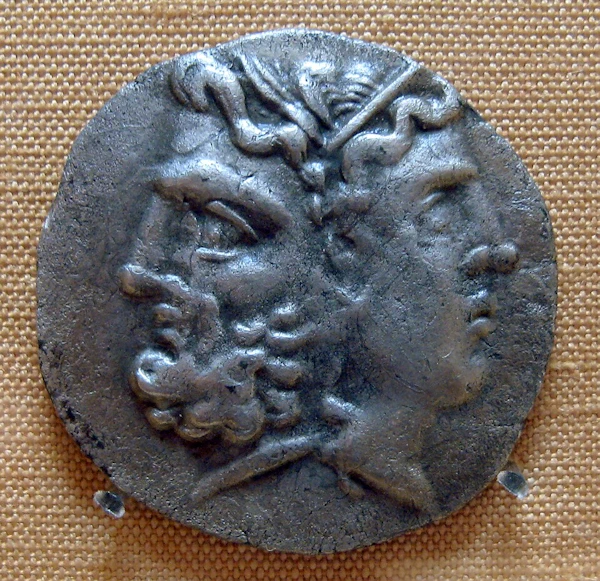
A “resolution” was originally intended to be a remembrance for recommitment.

In medieval times, knights renewed their vows of chivalry. They weren’t chasing a new identity—they were recommitting to the one they had chosen, to follow the Code of Chivalry.
According to the Early British Survey, the “Song of Roland” said that knights vowed:
“To fear God and maintain His Church, to serve the liege lord in valour and faith, to protect the weak and defenceless, to give succour to widows and orphans, to refrain from the wanton giving of offence, to live by honour and for glory, to despise pecuniary reward, to fight for the welfare of all, to obey those placed in authority, to guard the honour of fellow knights, to eschew unfairness, meanness and deceit, to keep faith, at all times to speak the truth, to persevere to the end in any enterprise begun, to respect the honour of women, never to refuse a challenge from an equal, never to turn the back upon a foe” (Alchin).
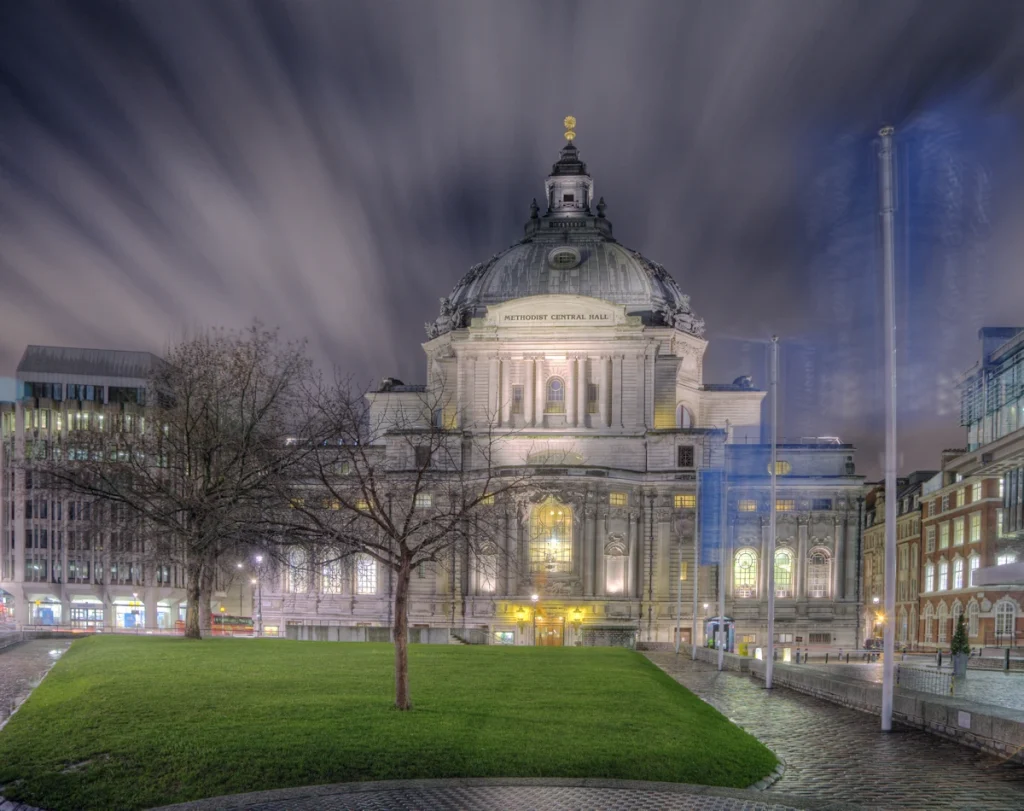
In the 1700s, John Wesley’s Covenant Renewal Services invited people to reflect, give thanks, and renew their relationship with God—not to punish themselves for shortcomings, but to realign their hearts for the year ahead.

Even the Puritans in Colonial America, often remembered as stern, approached the New Year as a time for reflection. They took an honest look at the past year and resolved—not to be perfect—but to live with greater integrity in the next one.
This quote is from The Valley of Vision by Arthur Bennett, a Canon of St. Albans Cathedral, expressing hope in God’s unchanging love for the new year.
“Thy goodness has been with me another year, leading me through a twisting wilderness, in retreat helping me to advance, when beaten back making sure headway. Thy goodness will be with me in the year ahead; I hoist sail and draw up anchor, With thee as the blessed pilot of my future as of my past.”
When did we lose this deeper intention?
A new year – and the resolution that goes with it – was originally intended to be a fresh start.
It was a recommitment to our core beliefs, no matter what we experienced the year before.
Somehow, resolutions became pressure instead of meaning
Today, resolutions feel like a verdict. A list of everything we think is wrong with us.
And no wonder so many of them fall apart by February. They’re built on force, not identity. On “doing” rather than “being.”
Psychologist James Clear, author of Atomic Habits, puts it simply: “Every action you take is a vote for the type of person you wish to become.”
Instead of “overhauling” your life, embody who you know you are, based on your core beliefs.
What if your resolution wasn’t a goal—but a way of being?
Instead of asking what we’re “doing”:
- What do I want to change?
What if we asked, focused on “being”:
- Who do I want to be this year?
- What kind of woman am I on a good day?
- What values do I want my choices to reflect?
It’s a mindset, an identity-based resolution. And it’s much closer to how resolutions were originally meant to function.
You don’t resolve to “drink more water.”
Resolve to be a woman who takes care of her body with healthy hydration.
You don’t resolve to “get organized.”
Resolve to be someone who practices small, consistent, daily habits that prevent disorganization.
You don’t resolve to “be more productive.”
Resolve to be more intentional with your time & energy.
A deeper way to step into the year
A New Year wasn’t meant to be a time for a new set of rules. It was a threshold. A pause between what was and what’s to come. A recommitment to the way we deal with the unknown.
So maybe this year, instead of writing a list you feel pressured to live up to, choose one word for your focus, your guiding light.
One quality.
One way of being that feels like home.
Something you can return to on the tough days in the coming year.