The Elevated Zero-Waste Kitchen Beyond the Reusable Bag

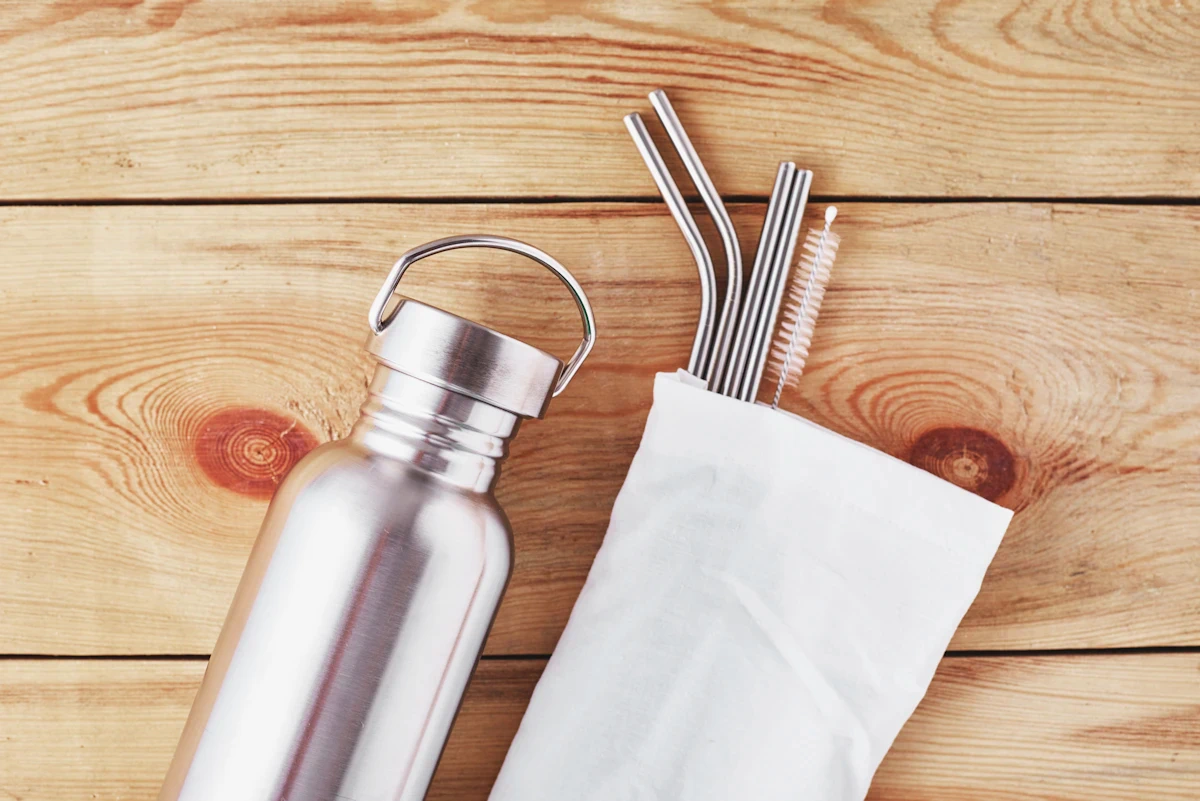
We’ve all gone green and completed the “beginner” steps, right? There’s a stash of canvas bags in the trunk (we just have to remember to use them), and we’ve swapped plastic straws for reusable ones. But at this stage of life, there’s a pull toward something deeper than just “less plastic” or “more recycling”.
I want to be more intentional. I need a kitchen that feels like a sanctuary—calm and completely free of the “disposable” clutter that piles up.
If, like me, you’re ready to take your Earth Day commitment to the next level, here’s how to move beyond basic recycling and reusable bags and step by step closer to a zero-waste kitchen.

1. The Death of the “Under-Sink” Chemical Lab
We’ve been conditioned to think we need a different product for every surface: the granite, the glass, the floor, the stainless steel. Not only does that take up precious real estate under the sink, but those cleansers are often a cocktail of things we don’t want to breathe in. (I know I’m allergic to many of them.)
The Next Level:
I’ve decided to move up to a glass bottle system. Now there’s beautiful, weighted glass spray bottles with a silicone cover that look so good they don’t need to go under the sink. It eliminates dozens of plastic bottles a year.
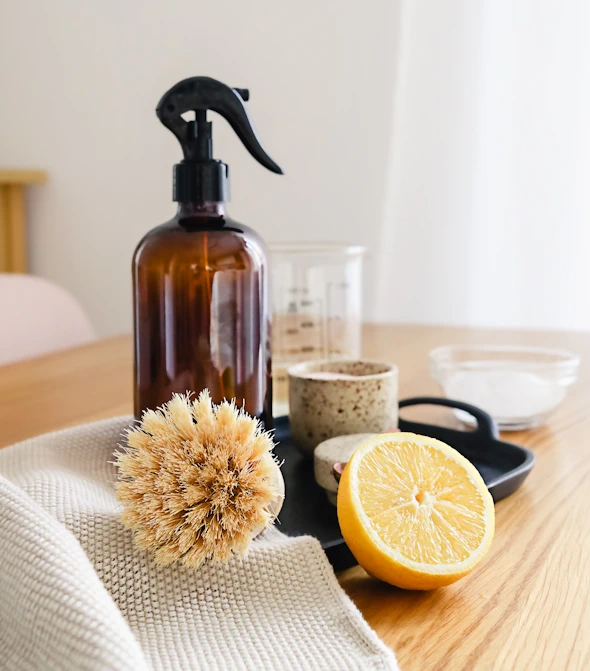
Want more? See How to Save Money on Cleaning Supplies for our DIY cleanser recipes and tips.
(Did you know the U.S. Dept. of Labor says the average consumer spends $630 each year on household cleaning supplies?)
And I’ve just got to tell you about the scented vinegar! It comes in eucalyptus, lemon, lavendar, and orange.
I hate my house smelling like a pickle factory just because I want to go green.
(Or you can do what my friend does: she lights lemon scented candles for that freshly cleaned smell – even when she hasn’t cleaned before I drop by. lol)
2. “Root-to-Leaf” Cooking

Instead of composting, the next level of sustainability is actually using what we used to toss. When we’re all trying to get more nutrition for our food budget, this helps.
(I grew up on a hobby farm, so I thought everyone ate all the parts of vegetables. What we didn’t eat we threw over the fence to be “composted” by the sheep, goats, and cow.)
The Next Level:
The Stem Secret: Did you know broccoli stems are often more nutrient-dense than the florets? Peel the woody outer layer, slice the tender inside, and sauté it or use it in coleslaw. It cuts the food waste in half.
Carrot Leaves: Add to chimichurri sauce or pesto.
Beet Greens: This is the best part! Cook a few slices of bacon. Sauté beet greens in the bacon grease, then add garlic and a splash of lemon. Makes a great side dish.
The Scraps Keeper: Keep a high-quality silicone bag in your freezer. Every time you peel a carrot, chop the end off an onion, or have a stray celery stalk, drop it in. When the bag is full, simmer it all with water for a few hours. You’ll have a mineral-rich, homemade vegetable stock that puts the boxed stuff to shame.
3. Invest in Better Food Storage

Plastic containers get stained, and the lids stop sealing after a few runs through the dishwasher. A zero-waste kitchen is the perfect excuse to do a “pantry edit.”
I have a whole cabinet of plastic take-out containers that I’ll likely never reuse but save to send leftovers home with my kids.
The Next Level:
Swap the plastic for borosilicate glass food containers. They’re non-porous (so no ghost smells from last week’s curry or stains from reheated spaghetti), oven, microwave, dishwasher, and freezer safe, and look so sleek. The airtight snap lock lids with silicone seals make your meal prep food last much longer than plastic food storage containers.
When you can see your dry food in clear glass jars, you’re less likely to overbuy because you know exactly what you have. Or, if it’s been sitting there too long, it’s visual reminder to get creative and use it in a recipe.
I even use gorgeous platters and glass containers in the fridge. It looks great, feels luxurious when pulling a platter of salad mixings out to use for lunch, and makes it easier to know what’s stored where.
FREE checklist for your pantry & kitchen audit.
This FREE 2 page Elevated Kitchen Audit Checklist helps you apply the knowledge in this article to your home. You’ll also get everything in our freebie vault and our newsletter.

4. The Textiles of a Leveled-Up Kitchen
Paper towels may be the hardest habit to break, especially for my husband, but they are the definition of “disposable living.” (Even if he assures me he can reuse them. Ick.)
The Next Level:
Build a collection of Flour Sack Towels. They are plain white, or come in all sorts of beautiful patterns, including for holidays and seasons.
Drying dishes with these towels is faster because the thin yarn and looser weave make them extra absorbent.
They are naturally antibacterial and and hypoallergenic. They even become softer and more absorbent with every wash.
Flour sack towels elevate the mundane task of drying dishes into a tactile, sensory experience. And there is something satisfying about the towel being so wet when you’re finished.
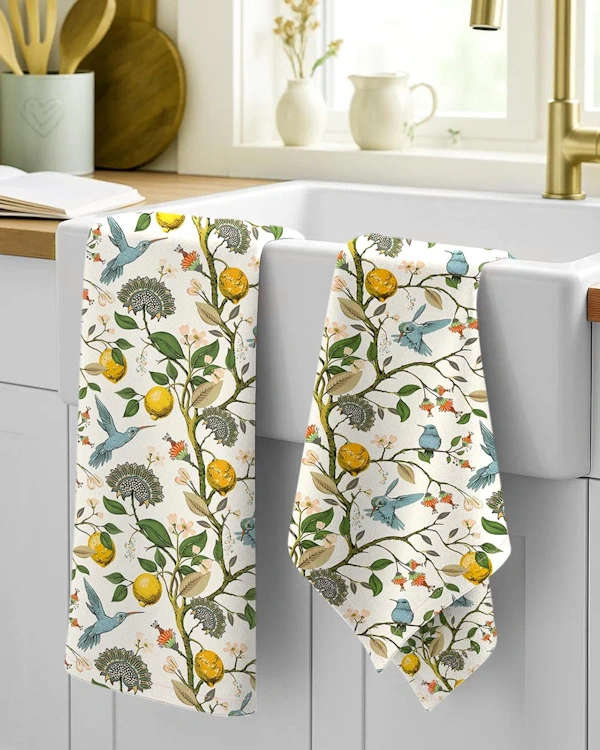
What can you use them for besides drying dishes?
- cleaning
- lint-free dusting
- streak-free on windows
- fold for a trivet
- covering rising bread dough & sour dough proofing
- instead of oven mitts (my grandmother didn’t own a pair)
- clean lettuce & vegetables (let water run through)
- embroider for a craft project
- wear as an apron
- line bottom and fold over top of bread basket to keep buns warm
- adult bib, especially great for eating spaghetti or lobster (My mother-in-law even used one as a bib on our white long-haired dog.)
- perfect as gift wrap for a housewarming gift
At this stage of life, we’re not just “saving the planet”.
We’ve grown past the 3R’s. Now we’re curating a legacy. We’re showing by example that a sustainable life isn’t necessarily one of sacrifice—it’s one of quality. It’s about choosing items that are meant to last as long as we are. (And be as beautiful.)